The 10 Best AI Sales Assistant Tools in 2026
Compare the 10 best AI sales assistant tools in 2026. See features, use cases, and which tools actually help reps prep faster and close more deals.
Sales reps spend less than 30% of their time actually selling. The rest goes to CRM updates, meeting prep, email drafts, and hunting for information across scattered tools.
AI sales assistants change this equation. These tools automate the repetitive work that buries your team and surface the insights that move deals forward.
We evaluated 10 AI sales assistant platforms based on integration depth, accuracy, ease of setup, security standards, and real customer outcomes. Here's what we found.
What is an AI sales assistant?
An AI sales assistant automates repetitive sales tasks so reps focus on selling, not admin work.
It qualifies leads, sends follow-up emails, logs activity in your CRM, and keeps deal data current—without constant input from your team. The best ones stay invisible until they matter: tracking details you shouldn't hold in your head, flagging deals at risk, and ensuring prospects never fall through the cracks.
AI sales assistant vs virtual assistant vs AI note-taker
These terms get used interchangeably, but they solve different problems. Understanding the distinction prevents you from expecting one category to do another's job.
| Type | Primary Function | Best For |
|---|---|---|
| AI Sales Assistant | Automates sales-specific tasks across the funnel | Sales teams that want faster execution and cleaner pipelines |
| Virtual Sales Assistant | Handles general admin and operational work | Teams needing help with scheduling and basic support |
| AI Note-taking Tool | Records, transcribes, and summarizes meetings | Teams that want better documentation from calls |
| AI Knowledge Assistant | Answers questions from company knowledge instantly | Teams that need accurate context during sales workflows |
AI sales assistants automate CRM updates, follow-ups, pipeline tracking, and deal insights throughout the sales cycle. They act on information—nudging reps on next steps, prioritizing leads, and keeping data accurate.
Virtual sales assistants schedule meetings, manage inboxes, and update spreadsheets. They organize work but don't understand sales stages, deal risk, or buyer intent.
AI note-taking tools transcribe conversations and generate summaries. They capture what happened but don't manage what happens next—no automated follow-ups, CRM updates, or deal guidance.
AI knowledge assistants answer questions from your centralized knowledge base. Reps ask questions during calls or while writing emails and get instant answers with source citations.
The best AI sales assistant software at a glance
| Tool Name | Best For | Key Strength | Pricing Model |
|---|---|---|---|
| Sybill | Meeting Intelligence | AI-powered summaries and CRM autofill built for revenue teams | Per-User, Subscription |
| Avoma | Meeting Intelligence | Collaborative notes with AI insights across calls | Per-User, Tiered |
| Lavender | Email Outreach | Real-time email coaching while writing | Per-User |
| <Regie.ai> | Email Outreach | AI-generated sequences and scalable personalization | Per-User / Usage-based |
| Gong | Sales Coaching | Conversation intelligence and win/loss analysis | Enterprise, Custom |
| Dialpad | Sales Call Coaching | Real-time transcription and live AI coaching | Per-User |
| Postaga | Outreach Sequencing | Automated campaign building and personalized outreach | Per-User |
| Salesforce Einstein | CRM Automation | Native AI for lead scoring and opportunity insights | Add-on to Salesforce |
| Clari | Pipeline Intelligence | Forecasting and deal health visibility | Enterprise, Custom |
| Slite (with Super) | Sales Knowledge & Enablement | Instant answers from verified company knowledge | Per-User, $15-20/month |
Best AI sales assistant for meeting intelligence
Sybill
Sybill turns sales calls into actionable insights without manual work. It generates AI-powered call summaries, answers deal-specific questions, and populates CRM fields based on actual conversations.
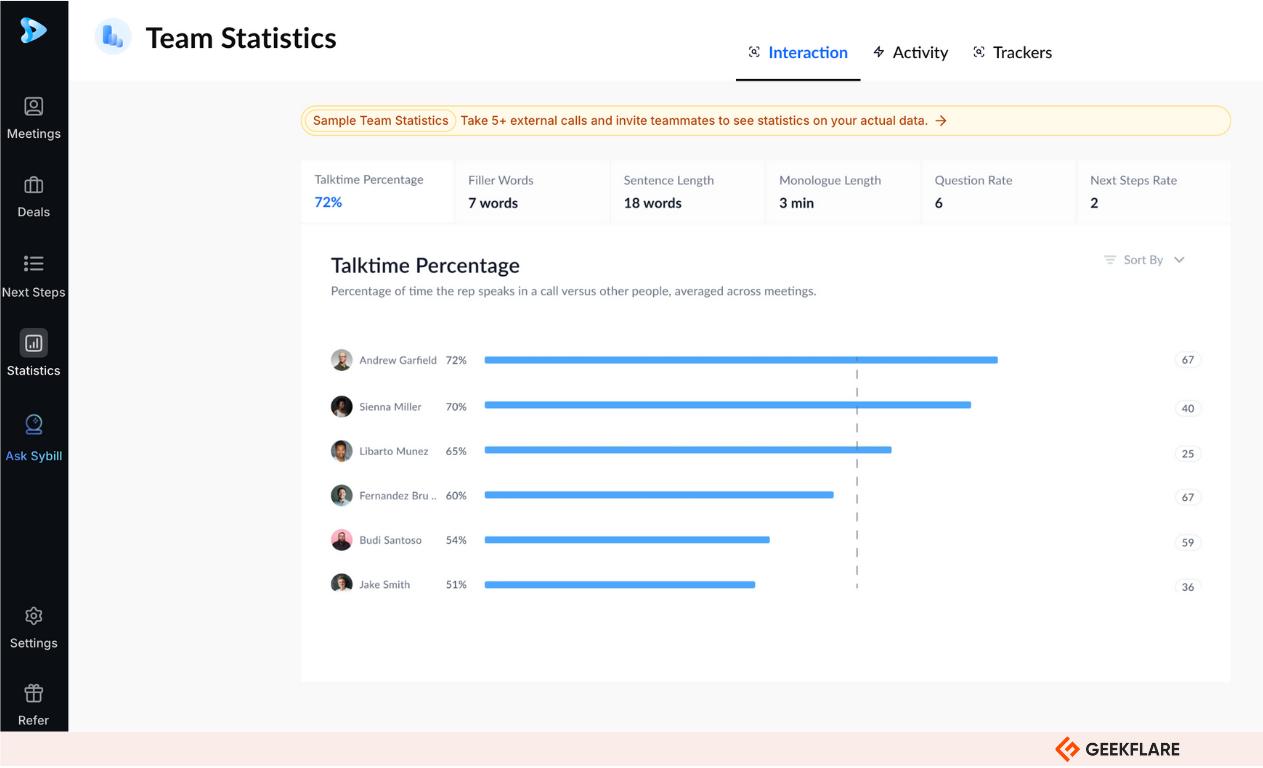
The tool focuses on what matters for closing: buyer intent, risks, and next steps. For teams that want meeting intelligence tied directly to pipeline movement, Sybill delivers purpose-built functionality rather than generic transcription.
Where it shines:
- Automatic CRM autofill from real call data
- Deal-level insights managers can trust
- Clear focus on revenue outcomes, not just notes
Avoma
Avoma combines meeting recording, transcription, and collaborative note-taking with AI-driven insights. It works well for teams that want shared visibility across calls, agendas, and follow-ups.
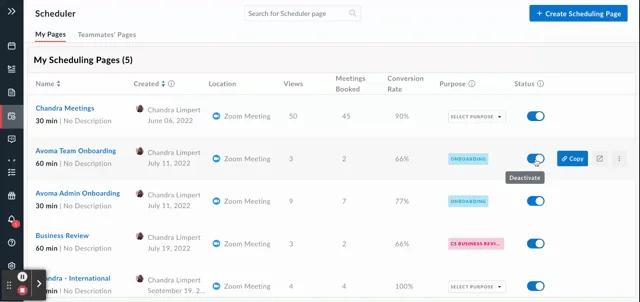
The AI surfaces trends across conversations, showing managers what works and where reps struggle. While broader than sales-only tools, Avoma fits teams that want structured meeting workflows alongside AI summaries.
Where it shines:
- Strong collaboration around notes and agendas
- Cross-meeting insights and analytics
- Useful for sales and customer-facing teams alike
Best AI sales assistant for email outreach
Lavender
Lavender coaches reps as they draft emails. It provides real-time suggestions on tone, clarity, length, and personalization before messages go out.
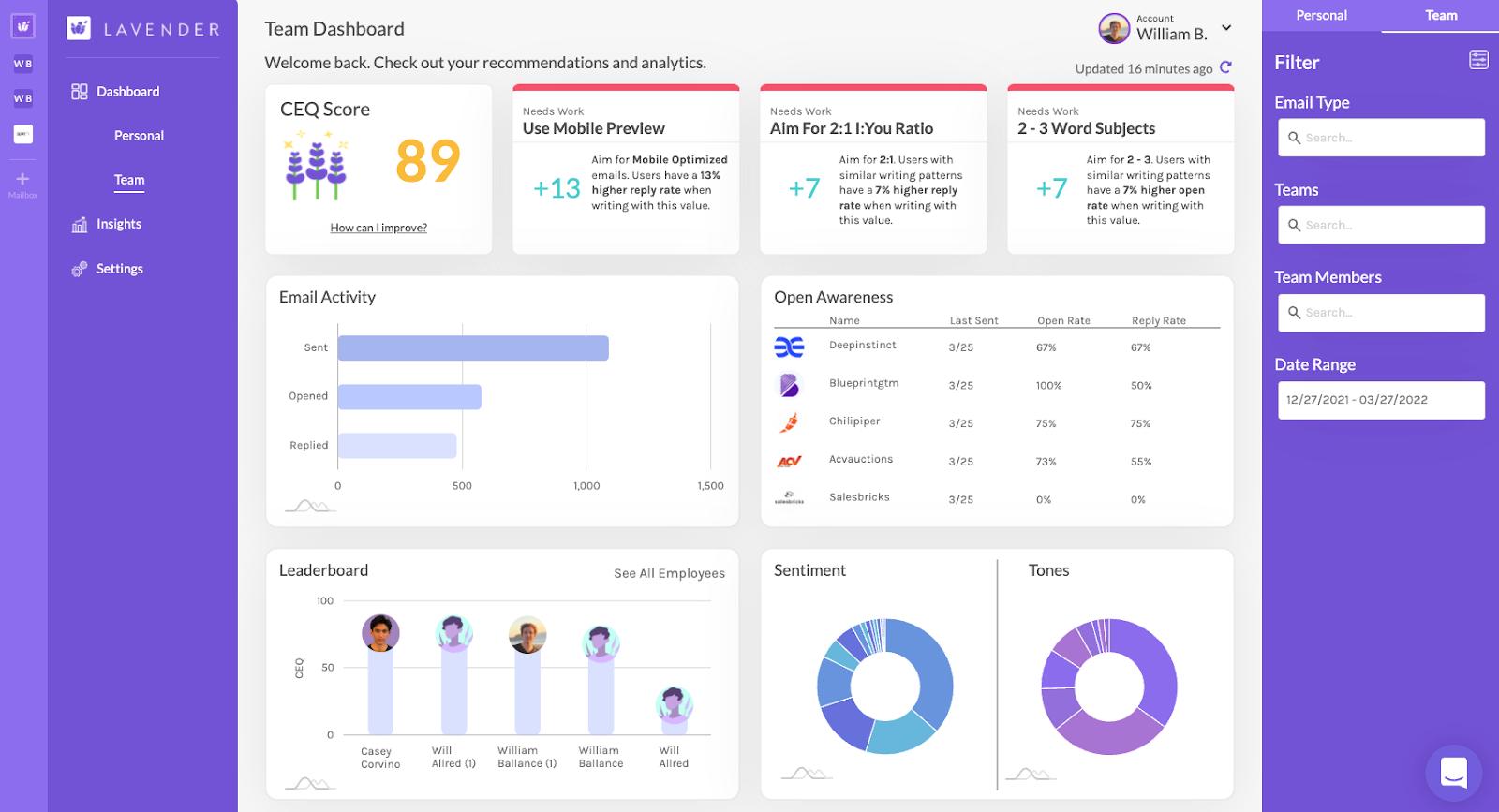
Teams use it to improve rep writing skills and increase reply rates without changing their existing email tools.
Where it shines:
- Live feedback while writing emails
- Practical coaching, not generic templates
- Easy adoption with minimal setup
Regie.ai
Regie.ai generates personalized email sequences, messaging frameworks, and campaign content across personas and industries. It's built for teams running outbound at scale.
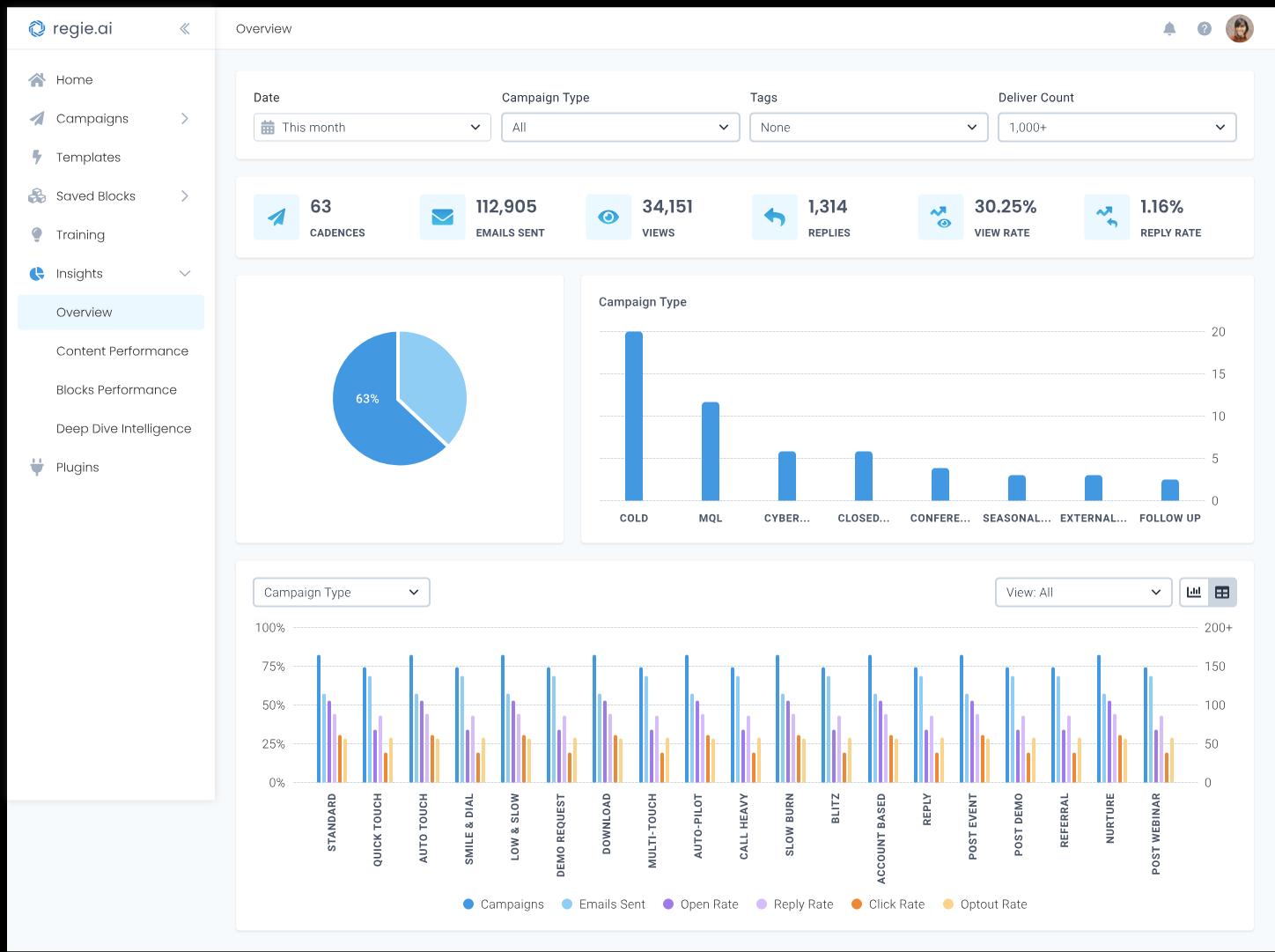
SDR-heavy organizations focused on volume and experimentation get the most value.
Where it shines:
- AI-generated sequences at scale
- Personalization without manual research
- Strong fit for outbound-focused teams
Best AI sales call assistant for coaching
Gong
Gong analyzes sales calls to identify talking patterns, objection handling, competitive mentions, and win/loss drivers.
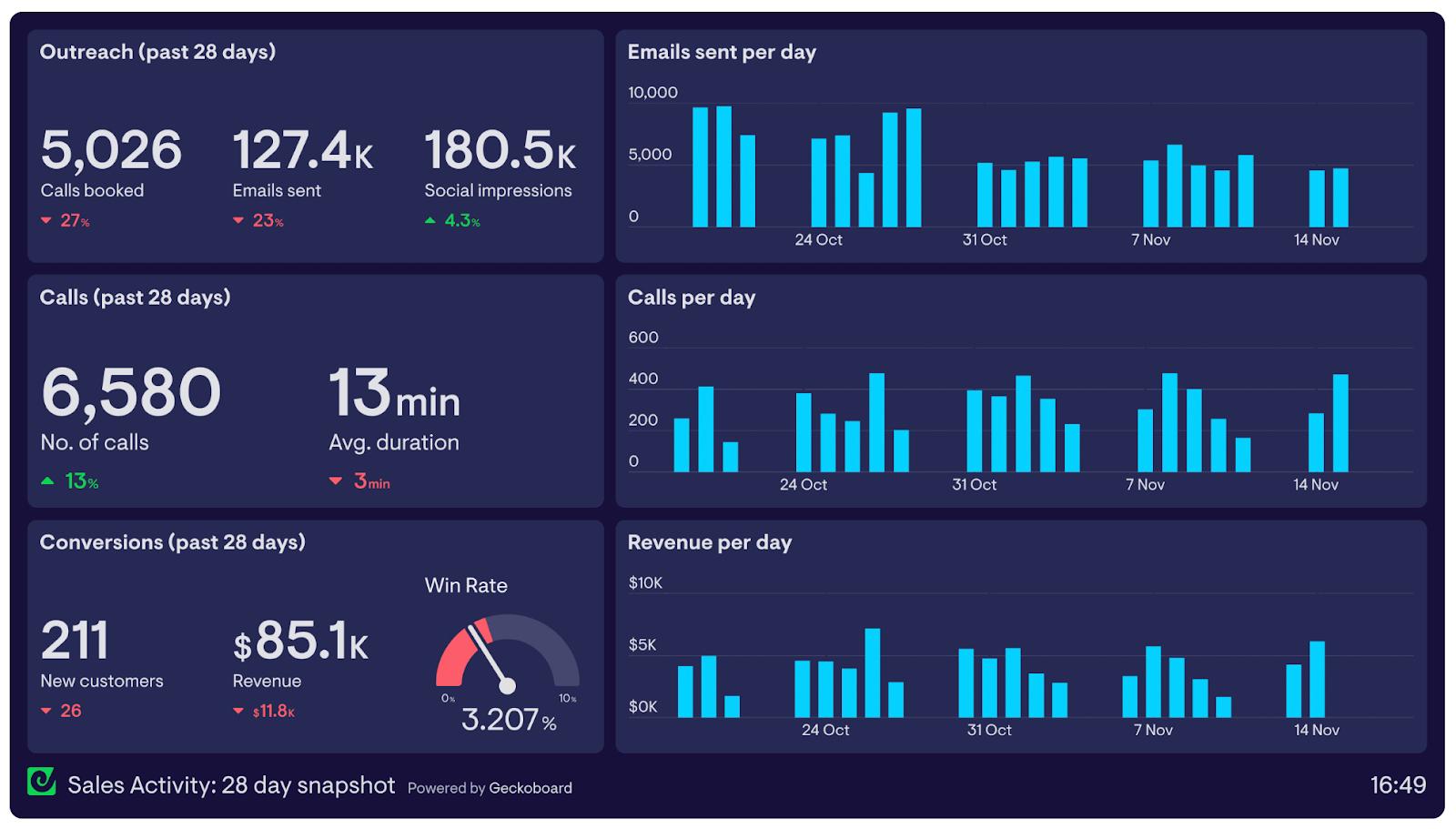
Managers get visibility across the entire team without listening to every recording. The platform excels at coaching, forecasting signals, and identifying what top performers do differently.
Where it shines:
- Deep conversation and win/loss analysis
- Manager-level insights at scale
- Proven enterprise adoption
Dialpad
Dialpad combines calling, messaging, and meetings with real-time AI assistance. During live calls, it transcribes and surfaces coaching moments—missed objections, competitor mentions, or pricing discussions.
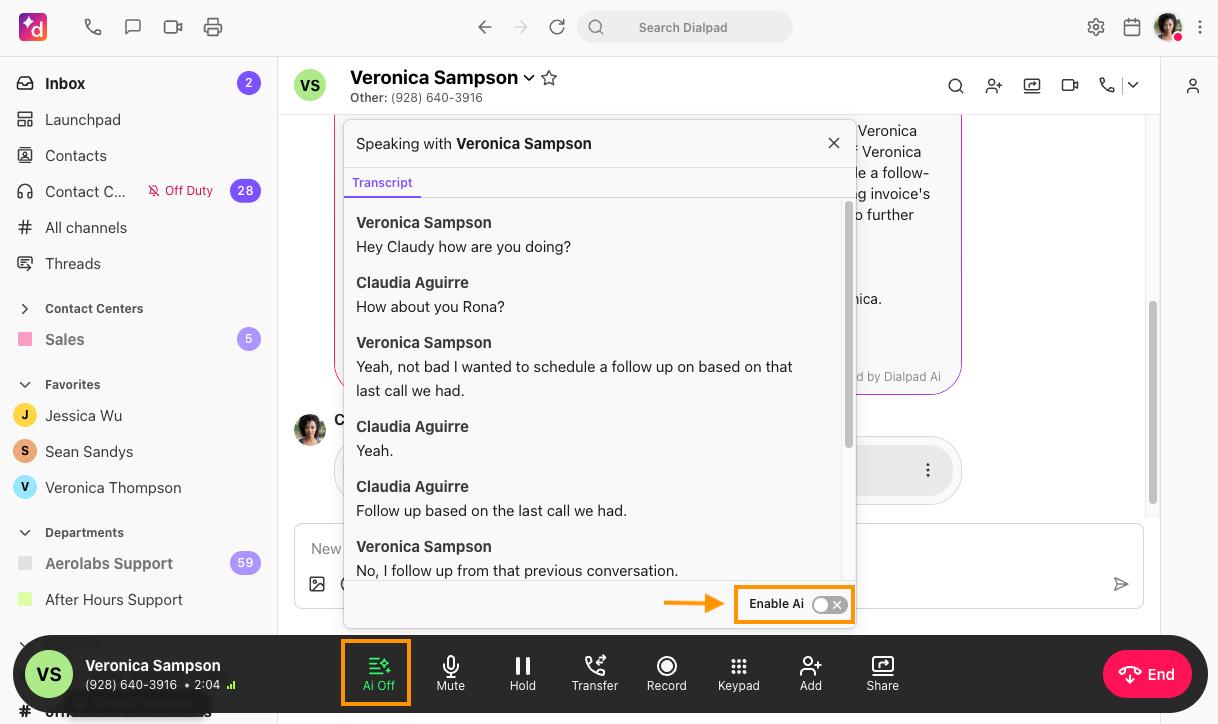
Because the AI works in real time, Dialpad fits reps who want immediate feedback, not just post-call analysis.
Where it shines:
- Live transcription and AI prompts
- Built-in communications platform
- Helpful for fast-paced sales environments
Best AI sales assistant for outreach sequencing
Postaga
Postaga builds personalized outreach campaigns using AI. It automates prospect research, finds relevant talking points, and assembles multi-step sequences across channels.
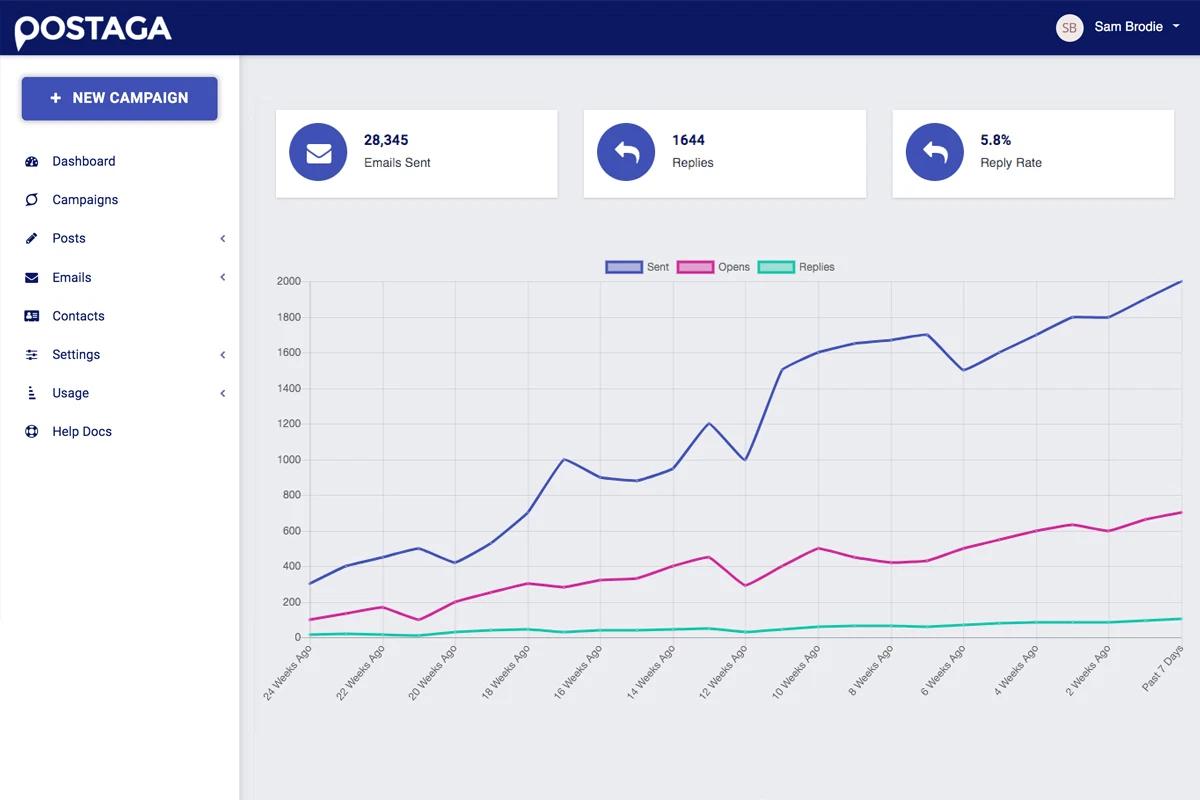
Rather than just sending emails, Postaga helps teams craft context-aware outreach that feels less templated and more human.
Where it shines:
- Automated campaign creation
- AI-assisted personalization
- Strong fit for small to mid-sized teams
Best AI-powered sales assistant for CRM automation
Salesforce Einstein
Salesforce Einstein is the native AI layer inside Salesforce. It handles lead scoring, opportunity insights, and automated data capture directly within the CRM.
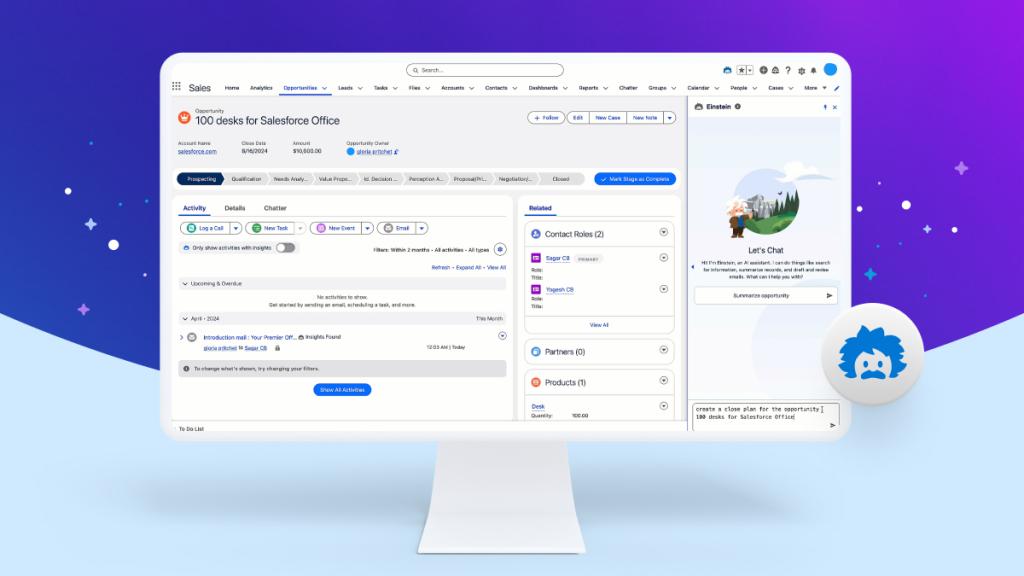
Because it's deeply embedded, Einstein works best for teams already committed to Salesforce who want AI-driven insights without adding external tools.
Where it shines:
- Native Salesforce integration
- Predictive insights on leads and deals
- No additional systems to manage
Best AI sales assistant for pipeline intelligence
Clari
Clari analyzes deal activity, engagement signals, and historical data to score deal health and improve forecasting accuracy. It's built for revenue leaders who need confidence in their numbers.
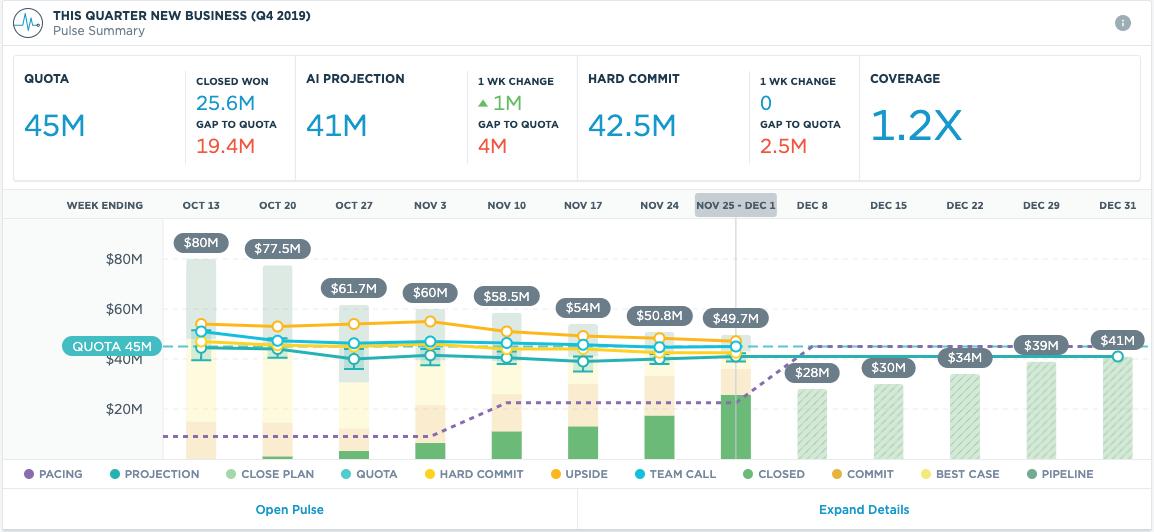
Instead of relying on rep-updated fields, Clari surfaces what's actually happening in the pipeline, making it easier to spot risk early.
Where it shines:
- Accurate revenue forecasting
- Clear pipeline visibility
- Strong executive and leadership focus
Best AI sales assistant for sales knowledge and enablement
Sales reps waste 2-10 hours every week searching for information across scattered docs, Slack threads, CRM notes, and tribal knowledge. This is where AI becomes truly valuable—by delivering instant answers from a centralized knowledge base reps can trust.
Slite’s Knowledge Suite
Slite and Super work together as an AI-powered sales assistant that fits how sales teams actually operate. Slite anchors company knowledge in one reliable place, while Super turns that knowledge into instant, usable answers inside everyday sales workflows.
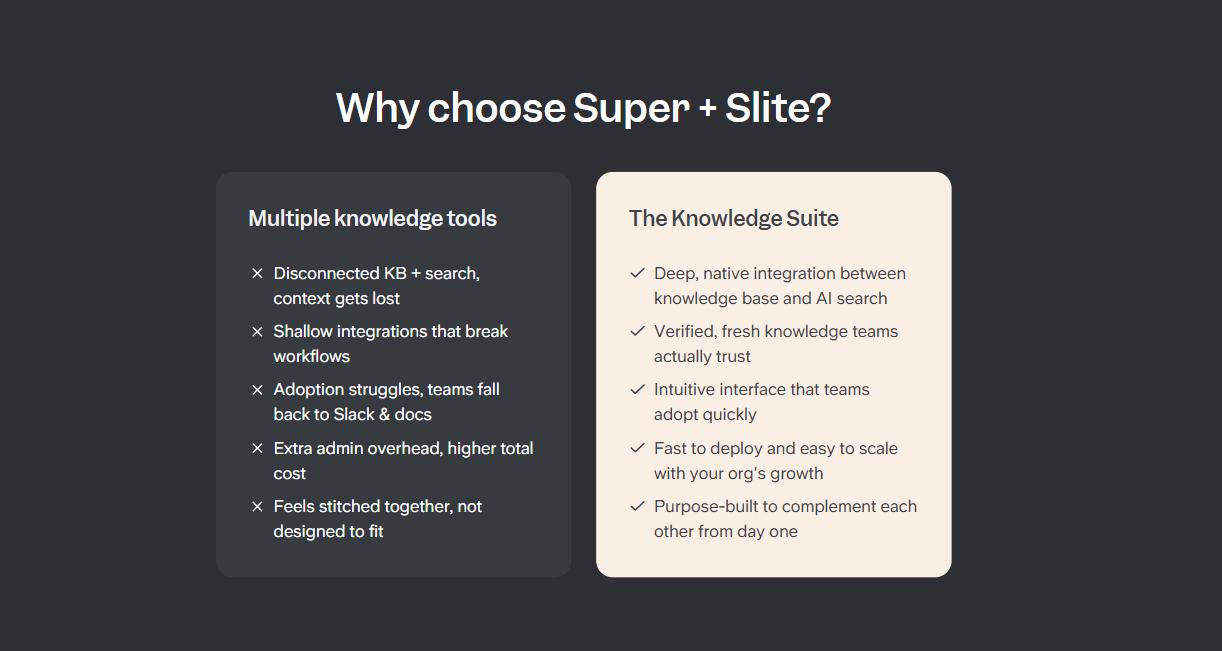
Why Slite + Super works for sales teams:
- AI-powered instant answers across your company stack: Super pulls information from across 20+ connected tools—including HubSpot, Attio, Slack, Google Drive, Confluence, GitHub, Linear, Asana, and Intercom—and delivers clear answers about products, processes, customers, and past deals.
- Verified knowledge reps can trust: Slite's verification and expiration system keeps sales knowledge current, owned, and reliable. No more wondering if battlecards are outdated.
- Permission-aware by default: Super respects existing access controls. Reps only see information they're authorized to access.
- Full source transparency: Every answer links back to the original document. Reps verify details instantly instead of guessing.
Real results:
- Teams using Super report a 90% reduction in internal questions
- Agorapulse achieved a 98% RFP success rate and cut completion time from 2 days to 30 minutes
- Organizations save an average of 20 minutes per user per day finding information
- Wuffes cut repetitive questions by 70% within 6 months
5 Sales Agents your team can deploy with Super next week:
- Sales follow up writer → It will write a follow-up email post every discovery call with exact notes and action items
- RFP filler → It will will 100+ question RFP within within minutes from verified internal data
- Sales Pulse Generator → It will monitor your CRM and Slack to deliver a pipeline report to key stakeholders every weeek
- Linkedin Outreach Assistant → It will let you click on potential buyer’s profile, assess their fit from their Linkedin profile, and write your a personalised outreach DM you can send them.
If your sales team spends more time preparing than selling, this is where AI starts to deliver real value rather than adding noise.
Book a demo to see how you can deploy team-wide AI agents
Best AI virtual sales assistant for lead research
Clay
Clay accelerates the earliest stages of the sales funnel—before reps even start outreach. Rather than piecing together information from multiple free tools and browser extensions, Clay centralizes enrichment and research into a single assistant.
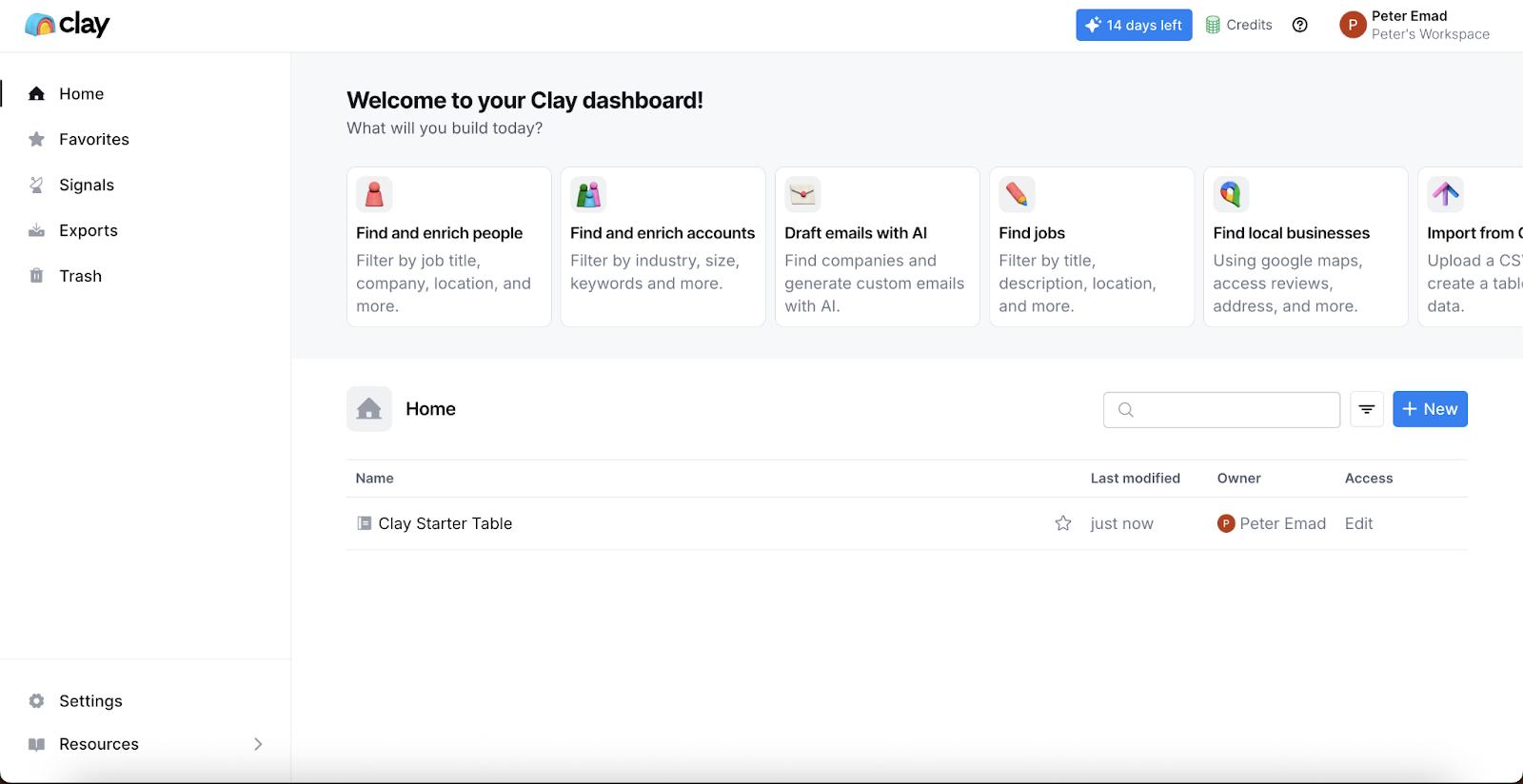
Key capabilities:
- Automated prospect research: Pull structured data about companies and contacts from across the public web without manual lookup.
- Lead enrichment at scale: Fill CRM gaps with emails, titles, social profiles, company size, funding status, tech stack, and other attributes that help SDRs prioritize outreach.
- Signal aggregation: Uncover buying signals—recent funding, hires, product launches, leadership changes—that inform timely, relevant outreach.
- Smart workflows: Use AI-generated insights and scoring to filter high-potential prospects from generic lists.
Why sales teams use AI sales assistants
Sales AI assistants solve specific pain points that slow down revenue teams. Here's what they automate:
Automate CRM updates and data entry
- Logs calls, emails, meetings, and notes directly into the CRM, streamlining operational workflows
- Updates deal fields like stage, close date, contacts, and next steps based on real activity
- Reduces errors from rushed or skipped data entry
- Keeps pipeline data accurate for forecasting and reporting
Write follow-up emails faster
- Generates follow-up emails using real conversation context, not generic templates
- Pulls action items, timelines, objections, and key talking points from sales calls
- Reps send emails in seconds instead of writing from scratch
- Improves response speed and consistency across the team
Coach reps without reviewing every call
- Analyzes sales conversations automatically across the team, helping deliver better customer support and service
- Highlights coaching moments like talk ratios, objection handling, and pricing discussions
- Identifies winning patterns from top performers
- Managers deliver targeted coaching without listening to every recording
Surface deal insights automatically
- Identifies buyer intent signals and engagement levels from calls and emails
- Flags risk factors like unclear next steps or missing stakeholder involvement
- Surfaces competitive mentions and budget or timeline concerns
- Focuses attention on deals that need it most
Reduce meeting prep time
- Surfaces relevant context—past deals, customer history, product details, internal notes—before a call
- Pulls deal intelligence directly from CRM, answering questions like "Tell me everything about Client X"
- Connects CRM data with internal company knowledge for a complete account view
- Eliminates scrambling between tools, docs, and dashboards before meetings
What to look for in AI sales assistant software
The right tool fits naturally into how your sales team already works. Here's what matters:
CRM and tech stack integrations
- Native integrations with core sales tools—HubSpot, Slack, Attio, Intercom, email clients—so AI works where teams already operate
- Broad coverage across 20+ platforms like Google Drive, Linear, Jira, GitHub, Asana, and Intercom
- Deep indexing of content and metadata, not just surface-level syncing
- Custom data sources via API for internal tools without native integrations
- Zapier integration to connect additional tools without engineering effort
Accuracy and reliability
- High-quality transcription so call notes accurately reflect conversations
- Reliable insight extraction for next steps, objections, and buyer signals
- Consistent performance across accents, audio quality, and call types
- Look for tools with 95%+ transcription accuracy across conditions
Setup time and ease of use
- Quick setup from day one with pre-built workflows that work immediately
- Simple OAuth-based authentication—connect tools once, let the AI handle the rest
- No complex configurations or ongoing maintenance
- Intuitive interface that makes information easy to access and act on
Data privacy and security
- SOC 2 Type II certification to meet enterprise security standards
- GDPR compliance for teams handling customer data across regions
- Data encryption with AES-256 at rest and TLS 1.2+ in transit
- Permission-aware outputs that respect existing access controls
- Clear governance and data handling policies for sensitive sales conversations
Pricing and expected ROI
- Transparent per-seat pricing that scales with team growth
- Value measured in time saved, not just feature count
- Reduced manual work across CRM updates, follow-ups, and prep
- Teams typically see ROI within the first few weeks as reps reclaim hours spent on admin
How to choose the right AI sales assistant for your team
Start by identifying your biggest bottleneck. The right tool removes friction from your current process—not adds another system to manage.
1. Audit your current sales workflow
Before evaluating tools, examine where reps actually spend their time:
- How much goes to manual CRM updates, note-taking, and follow-ups?
- Where do reps pause deals to search for information?
- Which tasks pull them away from live conversations?
2. Identify your highest-impact use case
Don't solve everything at once. Pick one problem with clear impact:
- Meeting notes and follow-ups
- Email outreach and response quality
- CRM updates and data accuracy
- Coaching and deal insights
- Sales knowledge access and meeting prep
3. Start a pilot with one team
Roll out to a small group first. Test real-world adoption without disrupting the entire org:
- Are reps using it daily?
- Does it reduce manual work or just shift it?
- Does it fit naturally into existing tools and workflows?
4. Measure results and expand
Before scaling across teams, measure what changed:
- Time saved per rep per week
- Faster follow-ups and better meeting prep
- Improvements in deal velocity or pipeline hygiene
If the tool consistently returns time and focus to reps, expansion becomes an easy decision.
Build your sales team's knowledge foundation with Super
Even the best AI sales assistant depends on the quality of information it can retrieve. When company knowledge is scattered or outdated, AI fills gaps with guesses.
Slite fixes this by keeping sales knowledge structured, verified, and easy to trust. Reps stop hunting through old docs and chats. They work from information that stays current and owned.
Super builds on this foundation by making that knowledge usable in everyday sales work. It pulls answers from Slite and your wider tool stack—so AI supports prep, follow-ups, and live conversations without confusion.
Together, they help sales teams spend less time searching and more time running confident, informed deals.

Janhavi Nagarhalli
Janhavi Nagarhalli is a product-led Content Marketer at Factors AI. She writes about the creator economy and personal branding on Linkedin.
Preguntas frecuentes
Can AI sales assistants replace human sales reps?
No. AI sales assistants handle administrative work and surface insights—they don't replace human sellers. They manage CRM updates, follow-ups, and information retrieval so reps focus on building relationships, handling objections, and closing deals.
How do AI sales assistants protect sensitive deal data?
Reputable providers follow enterprise security standards. This typically includes SOC 2 Type II compliance, encryption for data in transit and at rest (AES-256, TLS 1.2+), and role-based access controls. The best tools are permission-aware, ensuring reps only see information they're authorized to access.
What is the typical ROI timeline for AI sales assistant software?
Many teams see measurable time savings within the first few weeks. Organizations using tools like Super report saving 2-10 hours per user weekly on information retrieval alone. As reps spend less time on manual tasks, those gains translate into faster follow-ups and more time selling.
Do AI sales assistants work for small sales teams?
Yes. Many tools offer individual or small-team plans that scale with growth. Solutions like Slite + Super start at $15-20 per user per month, making AI-powered sales support practical for startups and lean teams that want to move faster without adding headcount.
¿Listo para potenciar tu flujo de trabajo?
Conecta tus herramientas y empieza a obtener respuestas al instante.
Llevamos creando soluciones para compartir conocimiento y mejorar el trabajo desde 2016.